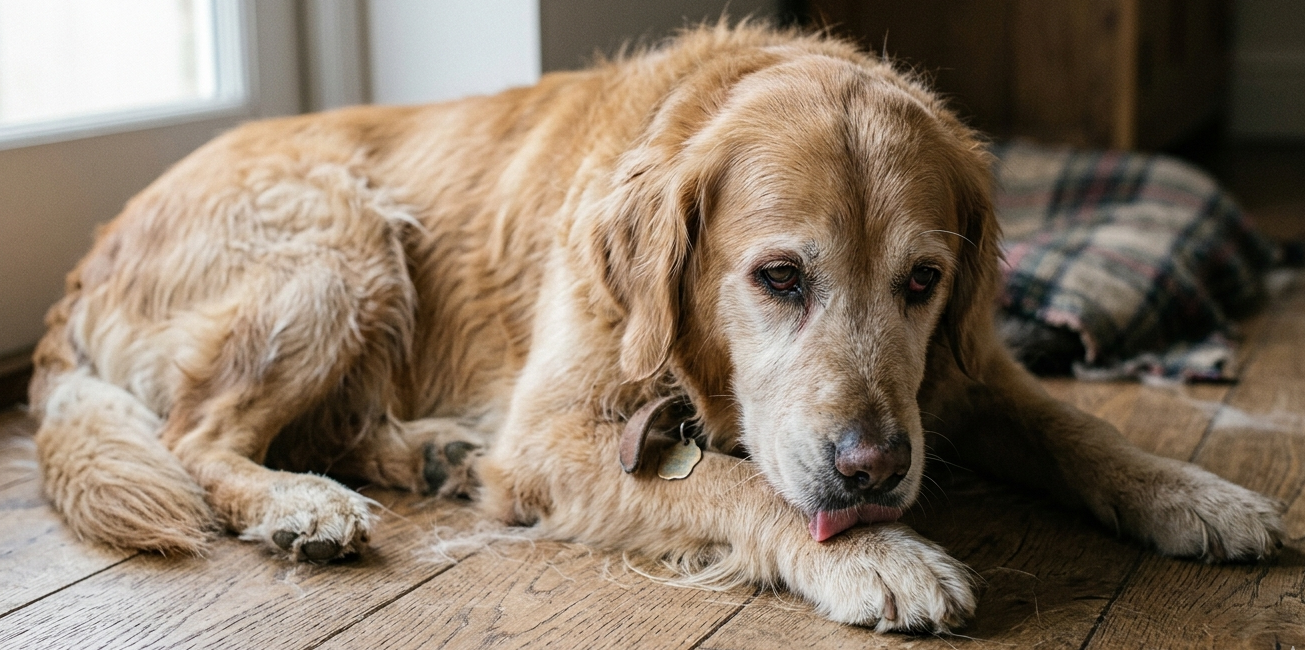
Why Is Your Dog Constantly Licking His Paws Even After Trying Everything?
Many dog owners think it’s just allergies, food, or skin irritation… until the paw licking keeps coming back again and again.

Canine Health Content Contributor
Interest in canine gut health has grown significantly among dog owners searching for answers to recurring paw licking, digestive discomfort, and unusual behavioral symptoms.
Many dog owners search online for answers after noticing constant paw licking, scratching, stomach noises, bad smells, or unusual low energy in their dogs.
Maybe it started with a worried thought: “why my dog is excessively licking his paws?”, especially during quiet hours. Then your dog keeps licking his paws more often… scratching constantly… acting uncomfortable after meals… or showing strange digestive issues that never seemed to fully go away.
Some owners also notice:
- Constant paw licking
- Dog licking paws at night
- Chewing or biting paws
- Low energy or unusual tiredness
- Bad smells even after bathing
- Digestive sensitivity
- Stomach noises or gurgling
- Irregular stools
Many dog owners try everything they can think of: Switching dog food, special shampoos, anti-itch products, cleaning the paws more often, skin treatments, and changing treats and snacks. But despite all of this… the licking, scratching, and discomfort often keep returning.
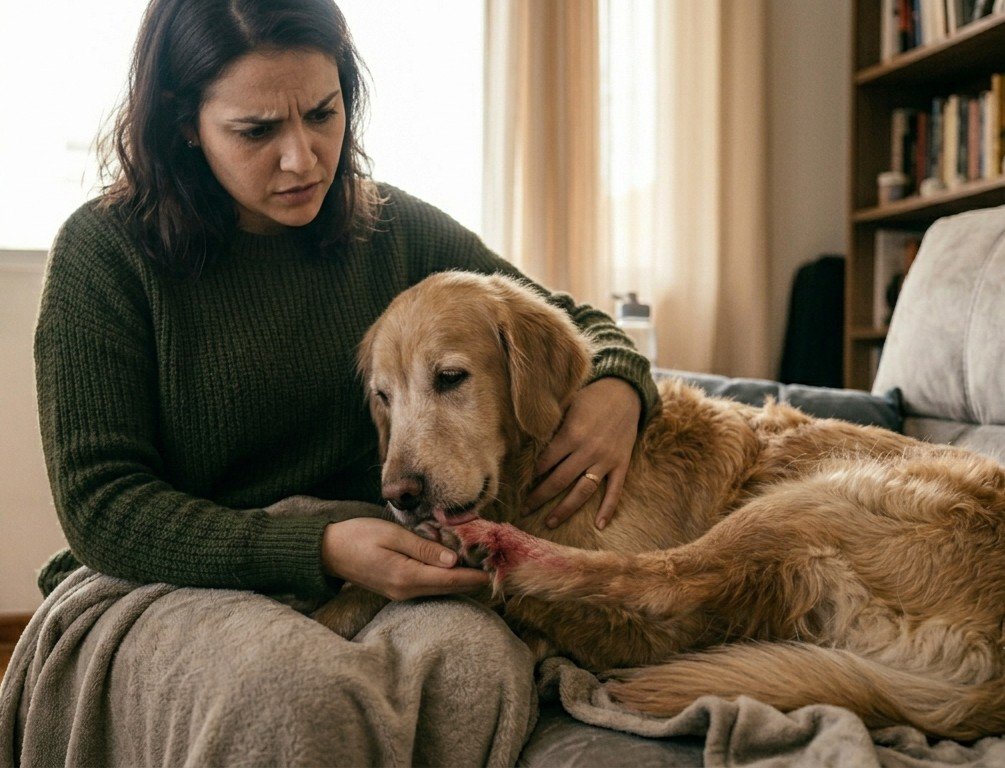
What Does Gut Health Have To Do With Paw Licking?
Inside your dog’s digestive system is something known as the gut microbiome. This system contains billions of beneficial bacteria that help support digestion, nutrient absorption, immune balance, and overall wellness.
When this balance becomes disrupted, some dogs may begin showing external signs of discomfort such as a dog constantly licking feet or paws, frequent scratching, digestive issues, bad breath, stomach gurgling, soft stools, low energy, or restlessness at night.
Some owners say they only realized something deeper might be happening after noticing their dog seemed uncomfortable almost every single day.
Why Are More Dog Owners Looking Into Beneficial Bacteria?
In recent years, canine wellness researchers have started paying closer attention to the connection between gut health and overall dog wellness. Some modern wellness formulas now include multiple strains of beneficial bacteria designed to help support digestive balance and daily gut health.
According to wellness specialists, supporting a balanced gut microbiome may help dogs feel more comfortable and maintain better digestive and overall wellness. Many owners are now becoming interested in simple daily approaches focused on gut balance, digestion, and long-term canine wellness support.
Some dog owners say they became more interested in gut health after noticing symptoms like constant paw licking, stomach noises, low energy, unusual odors, or discomfort after meals.
For many people, understanding what may be happening inside their dog’s body has become the first step toward helping them feel happier, calmer, and more comfortable again.
Discover Why More Dog Owners Are Looking Into Gut Health Support
Click below to continue reading about the wellness approach many dog owners are now exploring for digestive balance and daily comfort support.
CONTINUE READINGThis content is for informational purposes only and does not replace professional veterinary advice.